Less material in general waste.
We will track kilograms collected and the share directed to prototypes, trials or another safe recovery pathway.
 GGHSGreece Green Hair Solutions
Once trials begin, we plan to track material, the performance of each application and the opportunities that may be created for people.
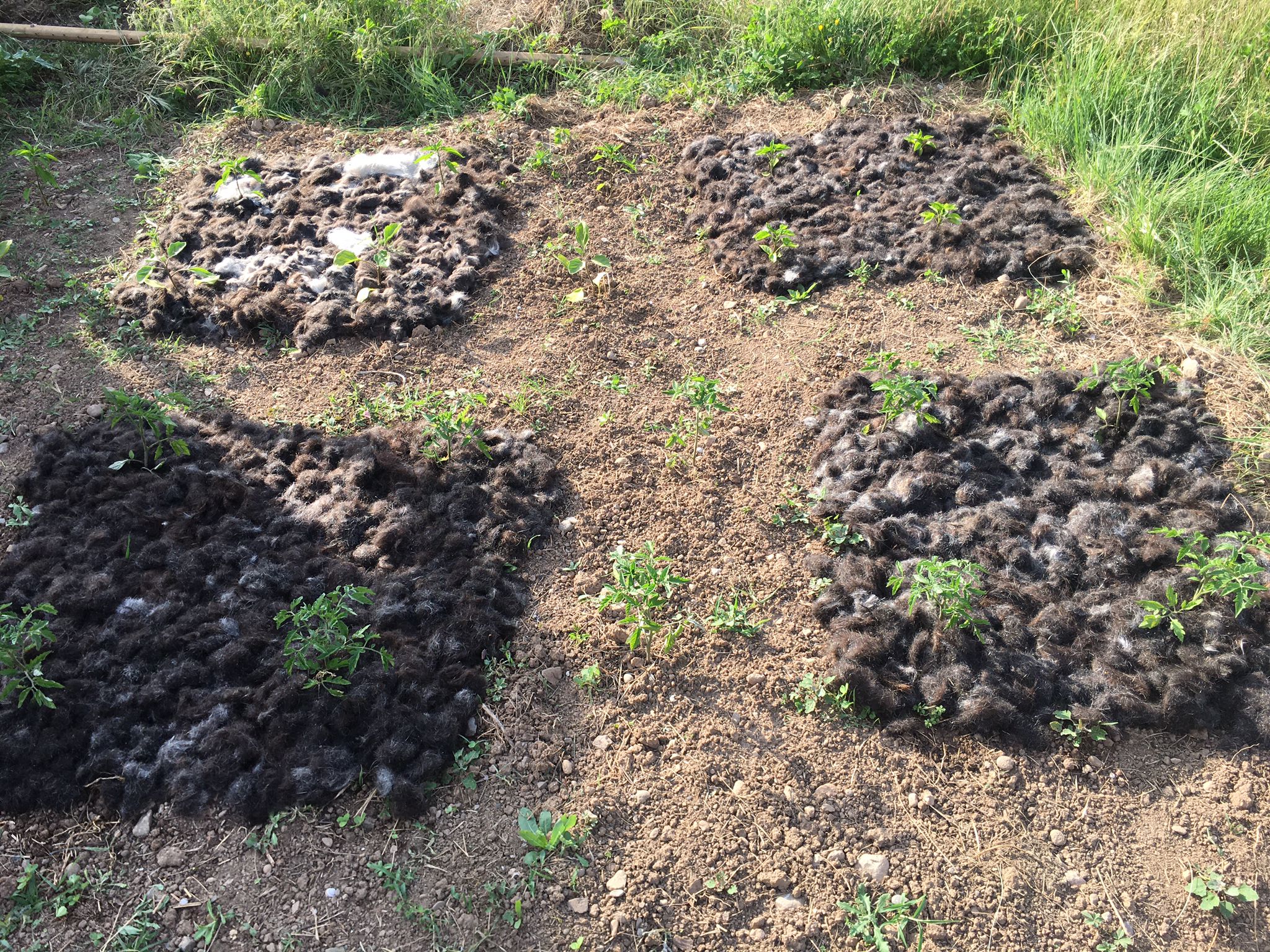
We will track kilograms collected and the share directed to prototypes, trials or another safe recovery pathway.
We will track jobs, training hours, role accessibility and continuity in work — not only participation.
We intend to publish key trial findings and lessons so each next application starts from a stronger base.
Every number needs a definition, reporting period and source. This discipline lets municipalities, companies and foundations understand exactly what their support makes possible.
Materialkilograms per month, quality and recovery rate
Networkregistered businesses, active senders and shipping frequency
Productunits, cost, uptake, durability and end-of-use route
Peoplejobs, training, accessibility and employment continuity
Partnershipspilot applications, research partners and shared learning
Complete the legal setup, protocols, equipment and first agreements.
Run a small controlled network, make prototypes and measure performance.
Work with municipalities, marinas, businesses and researchers.
Add new locations and jobs, and publish an annual impact report.
GGHS’s annual report will cover core environmental, social and financial figures, explain gaps against targets and record changes made.
Partnerships and grants will receive clear reporting against agreed indicators.